
V-Pack Cooler Maintenance Schedules for Drill Rigs: Extending Equipment Life in Pilbara Conditions

Updated: Aug 19
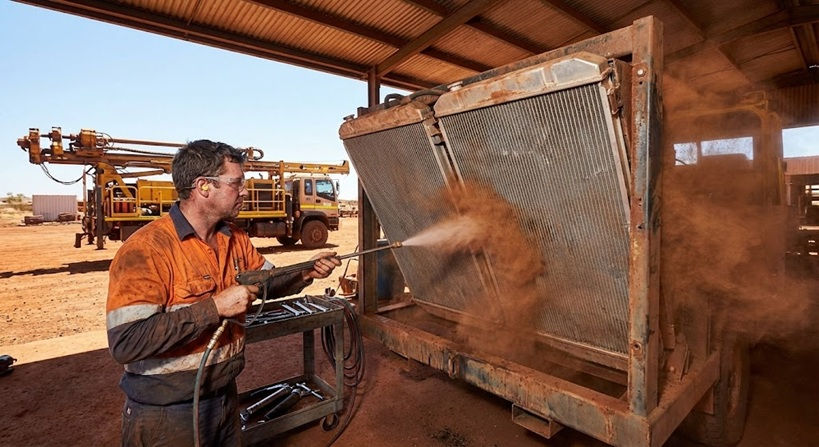
Drill rig downtime in the Pilbara costs operators between $15,000 and $45,000 per hour when factoring in crew wages, site overheads, and lost production. V-Pack coolers keep these machines running in temperatures that regularly exceed 45°C, but only when maintained correctly. The region's combination of heat, dust, and vibration creates the harshest operating environment for cooling systems in Australian mining.
Service data from over 200 mining sites shows that properly maintained V-Pack cooler maintenance Pilbara schedules extend equipment life to 8-12 years in these conditions, whilst neglected units fail within 3-5 years. This article outlines maintenance procedures that prevent costly failures.
Why V-Pack Coolers Fail in Pilbara Conditions
The Pilbara presents three primary failure mechanisms for V-Pack coolers on drill rigs. Understanding these helps explain why V-Pack cooler maintenance Pilbara schedules differ from standard industrial applications.
Dust Accumulation Effects
Dust accumulation blocks airflow between the V-shaped core packs. Pilbara dust contains high concentrations of iron ore fines and silica particles measuring 2-50 microns. These particles penetrate standard air filters and accumulate on cooling fins, reducing thermal efficiency by 30-40% within 500 operating hours. Once efficiency drops below 70%, engine temperatures rise and automatic shutdowns occur.
Thermal Cycling Fatigue
Thermal cycling causes material fatigue in aluminium cores. Drill rigs operate continuously during shifts, then cool rapidly when shut down. Daily temperature swings from 15°C at night to 48°C during operation create expansion and contraction cycles. After 2,000-3,000 cycles, brazed joints begin separating and tube-to-header connections develop micro-leaks.
Vibration Damage
V-pack cooler vibration analysis reveals that vibration damage from drilling operations loosens mounting brackets and cracks tube connections. Rotary drilling generates vibration frequencies between 10-50 Hz that resonate through the rig structure. V-Pack coolers mounted near drill heads experience constant movement, causing mechanical fatigue in mounting points and coolant connections. Proper v-pack cooler vibration analysis during installation identifies high-vibration zones requiring additional isolation.
Drill rigs operating in Pilbara conditions require robust cooling equipment designed to withstand harsh vibration environments. Industrial radiators engineered for mining applications incorporate reinforced mounting systems and vibration-resistant construction that extends service life in high-vibration installations.
Daily Maintenance Checks for Drill Rig Operators
Operators should perform these checks at the start of each shift. These tasks take 10-15 minutes but prevent 60% of field failures according to service records for V-Pack cooler maintenance Pilbara applications.
Visual Inspection Procedures
Visual inspection starts with checking for coolant leaks around the V-Pack assembly. Look for wet spots, staining, or crystallised coolant residue on the cooler housing and ground beneath the unit. Small leaks waste 2-5 litres per shift and reduce cooling capacity by allowing air into the system.
Coolant Level Verification
Coolant level verification requires checking the expansion tank when the engine is cold. Top up with the correct coolant mixture specified by the rig manufacturer - typically 50% ethylene glycol for Pilbara conditions. Never add straight water, as this dilutes corrosion inhibitors and lowers the boiling point.
Airflow Obstruction Checks
Airflow obstruction check involves inspecting the V-Pack faces for visible dust buildup. Shine a torch through the core from behind - if light cannot penetrate more than 50% of the core area, cleaning is required. Restricted airflow forces fans to work harder, increasing power consumption and reducing fan bearing life.
Fan Operation Monitoring
Fan operation monitoring confirms both electric and hydraulic fans engage properly. Listen for unusual bearing noise, check blade condition for cracks or damage, and verify fan shrouds remain securely mounted. Fan failures account for 25% of cooling system breakdowns in mining applications.
Weekly Maintenance Tasks
These procedures require 30-45 minutes and should be performed during scheduled maintenance windows. They address accumulating issues before they cause failures in V-Pack cooler maintenance Pilbara programmes.
Core Cleaning Procedures
Core cleaning removes dust buildup using compressed air at 100-120 psi. Blow from the clean side (inside) toward the dirty side (outside) to push particles out rather than deeper into the core. Hold the air nozzle 150-200mm from the fins and work systematically across the entire surface. Never use water pressure above 30 psi, as this bends delicate aluminium fins.
Coolant System Pressure Testing
Coolant system pressure testing identifies small leaks before they become major failures. With the engine cold, pressurise the system to 100 kPa using a cooling system pressure tester. Pressure should hold steady for 10 minutes. A drop exceeding 10 kPa indicates a leak requiring investigation.
Belt Tension Verification
Belt tension verification applies to rigs with belt-driven fans. Check tension using a belt tension gauge - most manufacturers specify 50-70 Newtons deflection force. Loose belts slip and reduce fan speed by 15-20%, whilst overtightened belts damage bearings in the fan hub and water pump.
Mounting Bracket Inspection
Mounting bracket inspection checks for loose bolts, cracked welds, or damaged rubber isolators. Tighten all mounting hardware to manufacturer torque specifications. Replace any isolators showing cracks, compression, or hardening - these typically last 2-3 years in drill rig applications.
Maintaining adequate stock products including replacement isolators, mounting hardware, and critical cooling system components minimises downtime during maintenance activities. Pre-made units available for immediate installation prevent extended operational delays.
Monthly Maintenance Procedures
Monthly tasks require 2-3 hours and may need the rig offline. These procedures address wear patterns and performance degradation that develop over hundreds of operating hours.
Coolant Testing Protocols
Coolant testing measures pH, freeze point, and inhibitor concentration. Use test strips or a refractometer to verify coolant maintains pH between 8.5-10.5 and provides freeze protection to -37°C. Degraded coolant accelerates corrosion in aluminium cores and causes premature failure. Replace coolant showing pH below 8.0 or freeze protection above -25°C.
Thermostat Function Testing
Thermostat function testing ensures proper temperature regulation. Cold start the engine and monitor temperature rise. The thermostat should open at 82-88°C (varies by engine model). If the engine overheats before the thermostat opens, or runs too cool during operation, replace the thermostat. Stuck thermostats cause 15% of overheating incidents.
Hose Inspection and Replacement
Hose inspection and replacement identifies deterioration before hoses burst. Check all coolant hoses for soft spots, cracks, bulging, or hardening. Squeeze hoses when cool - they should feel firm but pliable. Replace any hose showing surface cracks or internal deterioration. Hose failures dump 40-60 litres of coolant in minutes and can cause catastrophic engine damage.
Fan Clutch Operation Testing
Fan clutch operation testing applies to viscous fan clutches. With the engine at operating temperature, the fan should engage and produce noticeable airflow. When cold, the fan should freewheel with minimal resistance. Faulty clutches either fail to engage (causing overheating) or remain engaged constantly (wasting power and reducing fuel efficiency by 3-5%).
Laboratory Coolant Analysis
Sending coolant samples to a laboratory for detailed analysis every 1,000 operating hours identifies contamination from combustion gases, which indicates head gasket failure, or metallic particles, which signal internal corrosion.
Quarterly Deep Maintenance
These comprehensive procedures require 4-6 hours and should be scheduled during planned shutdowns. They address accumulated damage and restore cooling system performance for effective V-Pack cooler maintenance Pilbara operations.
Core Deep Cleaning Methods
Core deep cleaning uses specialised cleaning solutions to remove oil film and embedded particles. Apply a biodegradable degreaser to dissolve oil contamination, allow 15 minutes contact time, then rinse with low-pressure water (below 30 psi). Follow with compressed air drying. This process restores 85-95% of original thermal efficiency when performed correctly.
Pressure Cap Testing
Pressure cap testing verifies the cap maintains correct system pressure. Test caps using a pressure cap tester - they should hold rated pressure (typically 100-110 kPa) without leaking. Replace caps that fail to hold pressure or release below specification. Faulty caps allow coolant to boil at lower temperatures and reduce cooling efficiency by 15-20%.
Water Pump Inspection
Water pump inspection checks for bearing wear, seal leakage, and impeller damage. With the engine off, grasp the fan or pump pulley and check for excessive play (more than 1mm indicates bearing failure). Look for coolant weeping from the pump weep hole - this signals seal failure. Replace pumps showing either symptom before they fail catastrophically.
Electrical Connection Maintenance
Electrical connection inspection addresses corrosion in fan motor circuits and sensor connections. Clean all electrical terminals with contact cleaner, check wire insulation for damage, and verify all connectors seat fully. Corroded connections cause intermittent fan operation and false temperature readings.
Annual Comprehensive Service
This full system overhaul requires 8-12 hours and should be performed during major maintenance shutdowns. Having this service completed by qualified technicians familiar with V-Pack cooler systems is recommended.
Complete Coolant System Flush
Complete coolant system flush removes accumulated scale and corrosion products. Drain the old coolant completely, flush with clean water until discharge runs clear, then fill with fresh coolant mixed to manufacturer specifications. This procedure restores optimal heat transfer and extends component life by 2-3 years.
Core Leak Testing
Core leak testing identifies small leaks invisible during operation. Remove the V-Pack assembly, seal one side, and pressurise to 150 kPa whilst submerged in water. Bubbles indicate leaks requiring repair or core replacement. Catching leaks at this stage prevents field failures during critical operations.
Fan Motor and Bearing Service
Fan motor and bearing service includes bearing lubrication or replacement, motor winding insulation testing, and brush inspection (for DC motors). Replace bearings showing roughness, noise, or excessive play. This prevents fan failures that account for one-quarter of all cooling system breakdowns. Industrial fans and pumps designed for harsh mining conditions provide reliable performance in Pilbara applications.
Mounting System Refurbishment
Mounting system refurbishment addresses fatigue damage in brackets and isolators. Replace all rubber isolators regardless of appearance - rubber degrades after 12 months of UV and heat exposure in Pilbara conditions. Inspect welds for cracks using dye penetrant testing. Reinforce or replace any cracked brackets before they fail.
Temperature Monitoring and Performance Tracking
Effective V-Pack cooler maintenance Pilbara requires monitoring cooling system performance trends. Install temperature sensors that log engine coolant temperature, hydraulic oil temperature, and ambient air temperature. Compare these readings monthly to establish performance baselines.
Normal Operating Parameters
Normal operating parameters for drill rigs in Pilbara conditions show engine coolant temperatures of 88-95°C and hydraulic oil temperatures of 65-75°C when ambient temperature reaches 45°C. If temperatures exceed these ranges by more than 5°C, investigate cooling system efficiency.
Hydraulic systems on drill rigs rely on oil coolers designed specifically for high-temperature mining environments. Monitoring hydraulic oil temperatures helps identify cooling system degradation before equipment damage occurs.
Performance Degradation Indicators
Performance degradation indicators include gradually rising operating temperatures, increased fan engagement frequency, or longer cool-down periods. These symptoms typically appear 200-300 hours before complete failure, providing time for scheduled maintenance rather than emergency repairs.
Data-Driven Maintenance Optimization
Temperature data helps predict maintenance needs. V-pack cooler vibration analysis combined with temperature monitoring of 150 drill rigs shows that units requiring core cleaning more frequently than every 500 hours have inadequate air filtration. Upgrading to higher-efficiency pre-cleaners extends cleaning intervals to 800-1,000 hours and reduces maintenance costs by 35%.
Pilbara-Specific Maintenance Modifications
Standard maintenance schedules require adjustment for Pilbara operating conditions. These modifications reflect the region's extreme environment and have proven effective across mining client bases.
Cleaning Frequency Adjustments
Cleaning frequency increases from the manufacturer's recommended 1,000-hour intervals to 500 hours or less for V-Pack cooler maintenance Pilbara. Sites with particularly dusty conditions (such as crushing operations) may require cleaning every 250 hours. The cost of frequent cleaning is far less than the cost of a single unplanned shutdown.
Coolant Change Interval Reduction
Coolant change intervals reduce from 24 months to 12 months. High ambient temperatures and thermal cycling degrade coolant inhibitors faster than in temperate climates. Annual changes prevent corrosion damage that costs $8,000-$15,000 to repair when cores require replacement.
Component Replacement Acceleration
Component replacement schedules accelerate by 30-40% compared to standard industrial applications. Fan bearings rated for 5,000 hours in standard conditions typically last 3,000-3,500 hours in Pilbara drill rigs. Thermostats, hoses, and belts similarly require more frequent replacement.
Professional repair and maintenance services ensure components are replaced on appropriate schedules for Pilbara conditions. Accelerated replacement programmes prevent unexpected failures that cause costly downtime in remote mining locations.
Summer Inspection Intensity
Inspection intensity increases during summer months (November through March) when ambient temperatures regularly exceed 42°C. Daily inspections become critical during heat waves, as cooling systems operate at maximum capacity with zero margin for degraded performance.
Cost Analysis of Preventive Maintenance
Implementing comprehensive V-Pack cooler maintenance Pilbara schedules requires investment in labour, materials, and downtime. However, the costs pale compared to emergency repairs and lost production.
Annual Maintenance Investment
Annual maintenance costs for a single drill rig average $4,500-$6,000 when following the schedules outlined above. This includes coolant, filters, consumables, and labour for all scheduled tasks. Adding quarterly professional inspections increases costs to $7,000-$9,000 annually.
Failure Cost Comparison
Failure costs provide stark contrast. A V-Pack cooler failure requiring core replacement costs $18,000-$25,000 for parts and labour. Add 12-24 hours of rig downtime at $20,000-$40,000 in lost production, and a single failure costs more than five years of preventive maintenance.
Extended Equipment Life Value
Extended equipment life delivers additional value. V-Pack coolers maintained according to these schedules last 8-12 years before requiring replacement. Neglected units fail within 3-5 years. Over a 10-year period, proper maintenance saves $30,000-$50,000 per rig in replacement costs alone.
Return on Investment Timeline
Return on investment calculations show that comprehensive maintenance programmes pay for themselves within 18-24 months through reduced failures, extended equipment life, and improved operational reliability.
Conclusion
V-Pack cooler maintenance Pilbara schedules must account for extreme heat, abrasive dust, and continuous vibration. Daily inspections catch developing problems early, weekly cleaning prevents airflow restrictions, and monthly testing identifies component wear before failures occur. Quarterly deep maintenance restores performance, whilst annual comprehensive service maximises equipment life.
Allied Heat Transfer brings over twenty years of experience servicing mining equipment in Western Australia. Disciplined maintenance extends V-Pack cooler life from 3-5 years to 8-12 years. This translates to substantial cost savings through reduced failures, lower replacement frequency, and improved operational reliability.
Operators should adjust maintenance frequencies based on actual operating conditions at their sites. Dustier environments require more frequent cleaning, whilst rigs operating in particularly harsh conditions benefit from shortened service intervals. V-pack cooler vibration analysis and temperature monitoring provide objective data to optimise maintenance schedules for each specific application.
For drill rigs operating in the Pilbara, proper V-Pack cooler maintenance is not optional - it is essential for reliable operation in Australia's most demanding mining environment. The investment in preventive maintenance returns value through extended equipment life, reduced failures, and minimised costly downtime.
A Perth maintenance workshop provides rapid service and expertise for mining cooling systems, with stock of critical components for emergency repairs across Western Australian mining operations.
For technical consultation on V-Pack cooler maintenance programmes, performance assessments, or custom cooling solutions designed specifically for Pilbara mining conditions, speak with our repair and servicing team on (08) 6150 5928.


